What makes an ombré brow look so natural? In this blog, you'll discover what the ombré effect is, why it works, and how to apply it to every brow treatment.
Why does one brow look soft and natural, while another appears harsh or flat? The difference often lies not in the product itself, but in the way the colour is built up.
With an ombré brow, the colour gradually transitions from a soft, airy front to a more defined arch and tail. This subtle colour gradient creates depth while maintaining a natural-looking finish.
Whether you're working with Henna Brows, Hybrid Brows, Powder Brows or brow make-up, understanding how an ombré brow is created allows you to tailor every treatment to your client's individual features.
What Is An Ombré Brow?
The word ombré comes from French and literally means shaded or graduated colour. The term has long been used to describe a gradual transition from light to dark and can be found throughout fashion, textiles, hair and the beauty industry.
In brow styling, an ombré brow is characterised by three key features:
- A soft, airy front.
- A gradual build-up of colour and definition towards the arch.
- A more defined tail, creating depth and dimension.

Top. The brow has the same colour intensity throughout, which can make it appear flat.
Middle. A subtle ombré effect: a soft, airy front that gradually transitions into a more defined arch and tail.
Bottom. The brow is evenly filled from front to tail. Without a gradual colour transition, it can appear heavier and less natural.
Naturally Balanced.
The colour gradient of an ombré brow is more than just a styling technique. It reflects the natural growth pattern of the brow. The hairs at the front are typically finer and less dense than those towards the arch and tail. By following this natural pattern, the result looks softer, more balanced and enhances the eyes without appearing overdone.

Many natural brows already have a subtle ombré effect. The hairs at the front of the brow are often finer and less dense than those towards the arch and tail. This naturally creates a soft transition in colour and intensity.
If there are very few hairs at the front of the brow, you can recreate this natural-looking gradient using brow tint or make-up.
Ombré Tailored to Your Client
Not every client is looking for a bold, highly defined ombré brow. Clients who prefer a natural look often suit a softer colour gradient, while a more mature client may also benefit from a gentler transition for a softer overall appearance.
Clients who prefer a more defined look can, of course, opt for a stronger ombré effect. The key is to tailor the intensity to the client's features, style and personal preference.

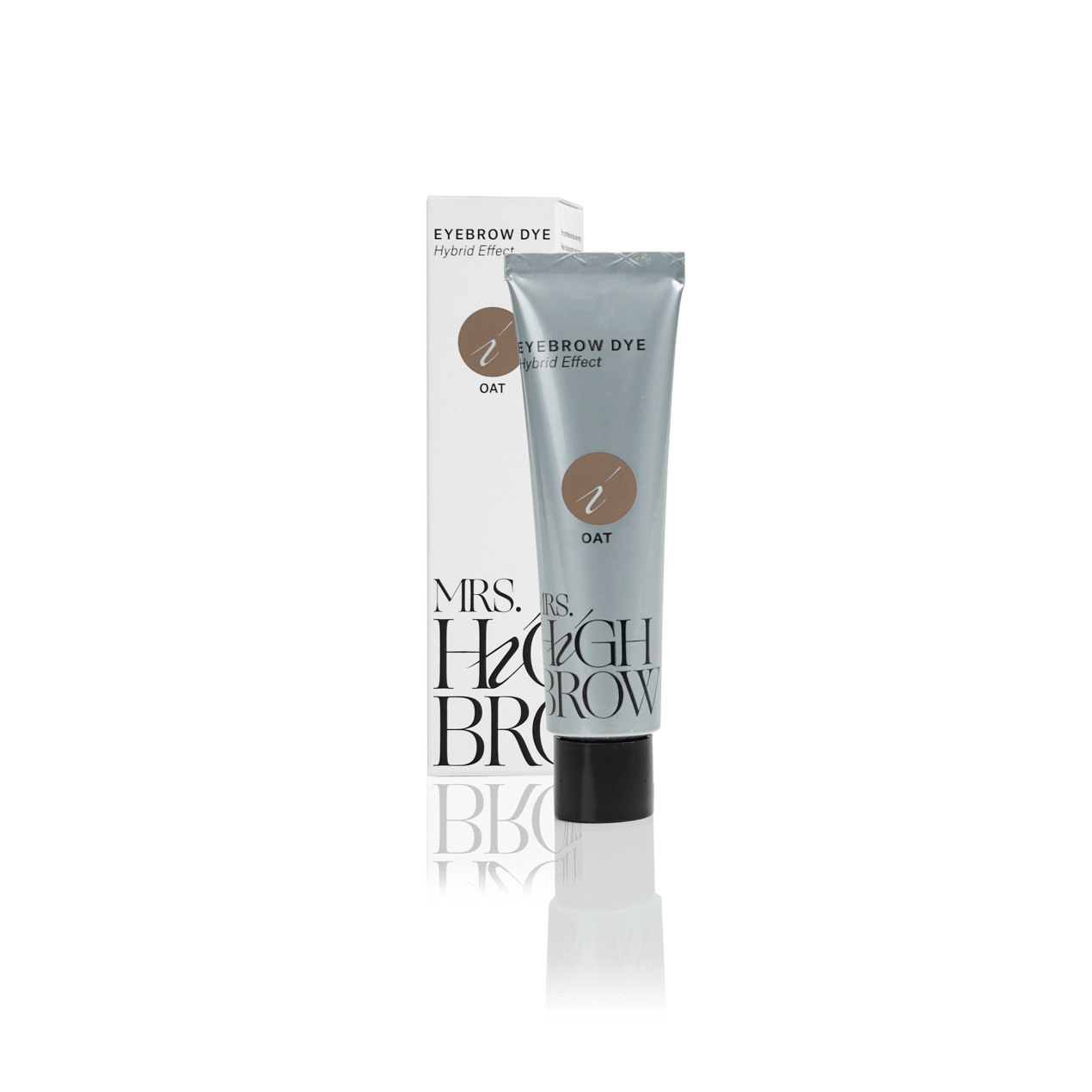
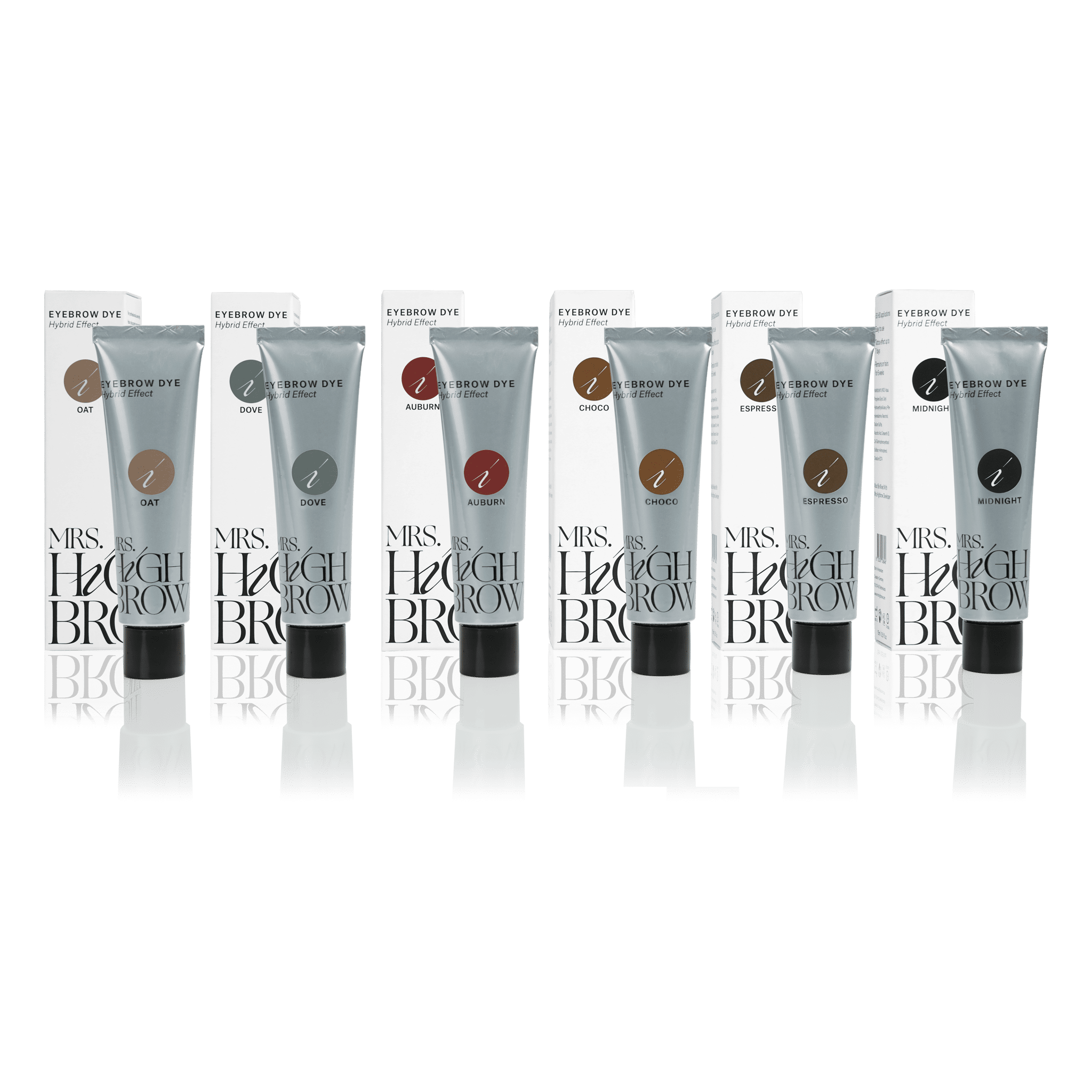
A subtle ombré brow. You can achieve this look by using a light shade of Brow Henna, such as Honey, or a Hybrid Dye blend like Oat mixed with Choco. The Powder Brow Pencil is also perfect for creating a soft ombré effect. For a natural finish like the one shown here, choose the shade Blond.
3 Ombré Techniques.
There isn't just one way to create an ombré brow using henna or brow dye. The best technique depends on the product you're using, your preferred working method and the desired result. Whatever technique you choose, the principle remains the same: a soft front that gradually builds into a more defined tail.
1. Work from the Middle Towards the Tail
With this technique, you build up the colour gradually by starting with the most defined part of the brow.
How to do it:
- Apply the dye from the middle of the brow towards the tail.
- Fill in the front of the brow last.
- Remove the dye from the front after 3–5 minutes.
- Leave the rest to develop for another 5–7 minutes before removing it.
Why does it work?
Because the front of the brow develops for a shorter time, it absorbs less colour. This naturally creates a soft ombré effect.

2. Use Different Development Times.
With this technique, you apply the dye to the entire brow in one go. The ombré effect is then created by removing the dye from the front of the brow earlier.
How to do it:
- Apply the dye evenly from the front of the brow to the tail.
- After approximately 3 minutes, remove the first centimetre at the front of the brow using a damp cotton bud.
- Leave the remaining dye to develop for another 7 minutes before removing it completely.
Why does it work?
Because the front of the brow has a shorter development time, it absorbs less pigment, while the arch and tail develop to their full colour intensity.

3. Work from the Tail Towards the Front
Many brow artists find this the most intuitive way to create an ombré effect.
How to do it:
- Start at the tail of the brow and work your way towards the front.
- As you move closer to the front, apply the henna or dye in increasingly thinner layers.
- Leave it to develop for 10–20 minutes, then remove all the product at the same time.
Why does it work?
The tail naturally has the longest development time and the greatest product build-up. Because the front of the brow is applied last and with less product, a soft, natural gradient is created without the need for different removal times.